How Long Before You Know If PRP Treatment for Hair Helped?
Plan on about 5 to 9 months from your first PRP session to a fair verdict: three sessions 4 to 6 weeks apart, then three to six months for full results. PRP for hair is off-label, and results vary between patients.
On Chevy Chase Dermatology Center’s schedule, about 5 to 9 months pass between your first platelet-rich plasma (PRP) visit and a fair judgment of whether it helped. Two other clinics’ figures widen that window to about 3 to 12 months. Results also vary between patients.
PRP treatment for hair has no standard recipe, and repeat sessions keep the cost running.
Three Clinics’ Schedules Put a PRP Verdict 3 to 12 Months Out
- Before the visit (one clinic’s rule). Chevy Chase Dermatology Center asks patients to stop NSAIDs (anti-inflammatory painkillers such as ibuprofen) 10 days ahead, since they raise bruising risk. It also asks for no alcohol in the 2 days before.
- Session day. The blood draw, separation and injections usually take under 30 minutes in total, with little or no downtime, per Forefront Dermatology.
- The first 72 hours (same clinic). Chevy Chase asks patients to avoid hard scalp massage for 72 hours afterward.
- Sessions two and three. Spacing differs by clinic. The table below puts three published schedules side by side.
- The wait. Results are judged months later, and they differ from patient to patient.
- Upkeep. Forefront and Dermatology Center of the East Bay both list repeat sessions, so the bill continues after the first course.
Only Chevy Chase says its wait counts from the last session. Forefront and Dermatology Center of the East Bay do not say where they start counting.
| Clinic | Starting sessions | When results are judged | Repeat sessions | Repeat visits a year |
|---|---|---|---|---|
| Chevy Chase Dermatology Center | 3, spaced 4-6 weeks apart | Full results 3-6 months after the last one | Ask the clinic | Ask the clinic |
| Forefront Dermatology | Monthly for 3 months | 3-6 months | Every 3-6 months | 2-4 (12 ÷ 6 to 12 ÷ 3) |
| Dermatology Center of the East Bay | 3 sessions | 6-12 months, some by month 3 | Every 6-12 months | 1-2 (12 ÷ 12 to 12 ÷ 6) |
On the Chevy Chase schedule, three sessions leave two gaps of 4 to 6 weeks. So the final session lands 8 to 12 weeks (about 2 to 3 months) after the first. Full results take another 3 to 6 months. That makes about 5 to 9 months from first visit to a fair verdict.
Forefront’s three monthly sessions put the last one at month 2. If its wait for results starts there, the total is 5 to 8 months. Dermatology Center of the East Bay gives 6 to 12 months. Some of its patients see change by month 3.
Across the three clinics, the published waits run from about 3 to 12 months.
PRP Concentrates Platelets From Your Own Blood
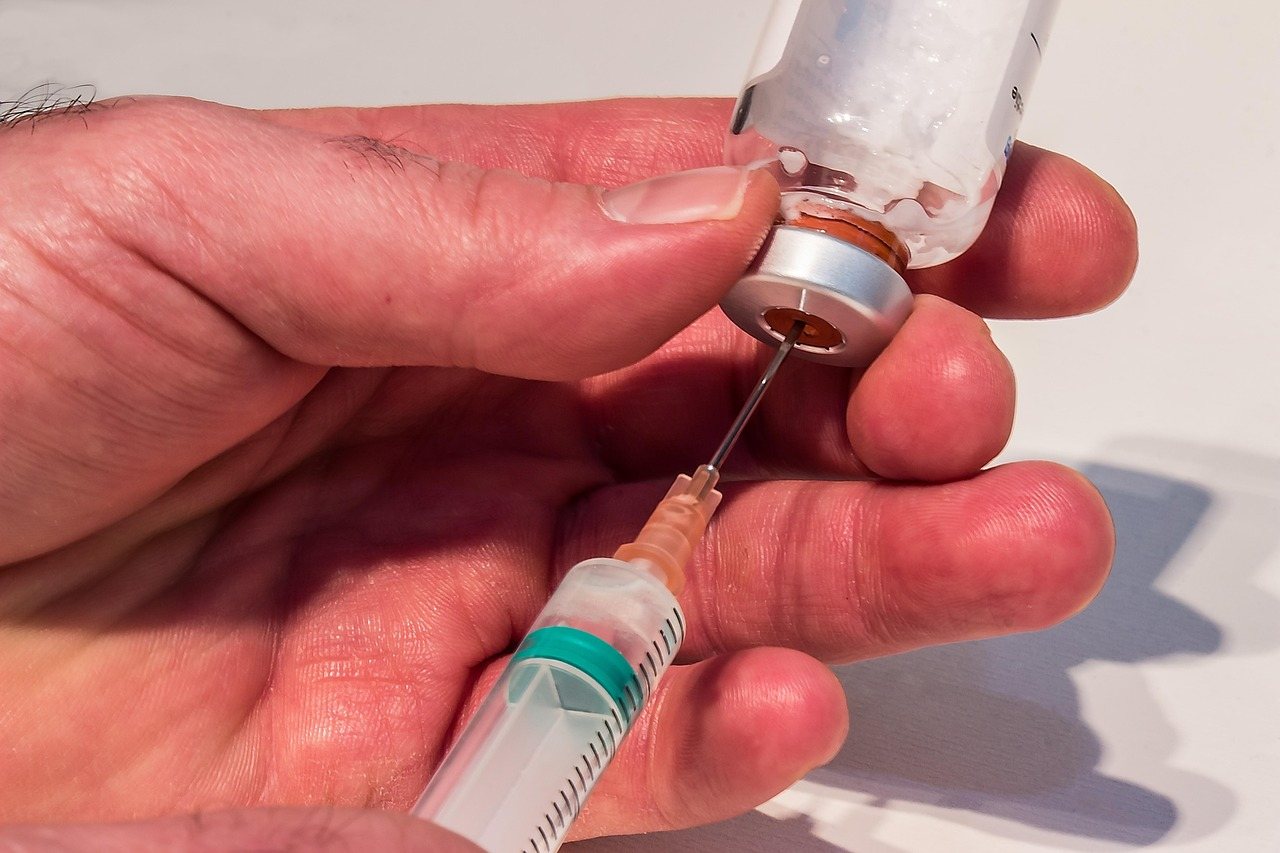
Platelets are tiny cell fragments that help blood clot and damaged tissue repair, and PRP is plasma with extra platelets packed in. A clinic spins your blood in a centrifuge, a machine that splits it into layers, and injects the platelets into your scalp, per Dermatology Center of the East Bay.
ISHRS, the International Society of Hair Restoration Surgery, calls PRP for hair off-label. That means doctors may legally offer it for hair after counseling patients. No data has been submitted to the FDA (the US Food and Drug Administration) to clear it for that use.
ISHRS and the American Hair Loss Association (AHLA) both note there is no standard way to prepare it, so two clinics can inject different mixtures under the same name.
A 2024 Pooled Analysis Covered 628 Women
A 2024 systematic review and meta-analysis gathered 21 randomized controlled trials, according to AHLA. Those trials enrolled 628 women in total.
A randomized controlled trial assigns people by chance to PRP or a comparison, so the groups start out alike. A meta-analysis combines the results of several such trials into one larger answer.
That works out to about 30 women per trial (628 ÷ 21 = 29.9). Each study is small on its own, which is why pooling them counts for more than any single one. AHLA says randomized trials and systematic reviews suggest properly prepared PRP can increase hair density, the number of hairs in a set patch of scalp, in some patients.
AHLA also says there is no evidence that PRP creates new hair follicles. For men, none of these sources gives a pooled trial count, so the evidence for men is harder to size.
PRP Side Effects Stay Mostly at the Injection Sites
The side effects these clinics name are mostly at the injection sites. Dermatology Center of the East Bay lists tenderness, swelling, itching, headaches and minor bleeding.
Chevy Chase lists redness, swelling and local pain, and says they occur in very rare cases. It says they should not last more than a few hours but can last up to a few days.
Verdict: A Fit for Recent Thinning, Not Long-Bald Areas
Verdict: PRP is an off-label, in-office option for people with recent, partial thinning who can wait 5 to 9 months for an answer, or up to 12 on some clinics’ schedules.
The real flaw, and its fix: there is no standard PRP. Preparation varies between clinics, and repeats every 3 to 12 months (per the table) turn one price into an ongoing cost. The fix: before you pay, get the clinic’s preparation method and full schedule (starting sessions, gaps and repeats) in writing.
Strengths: it uses your own blood, each session is short with little downtime, and AHLA says trials suggest properly prepared PRP can raise hair density in some patients.
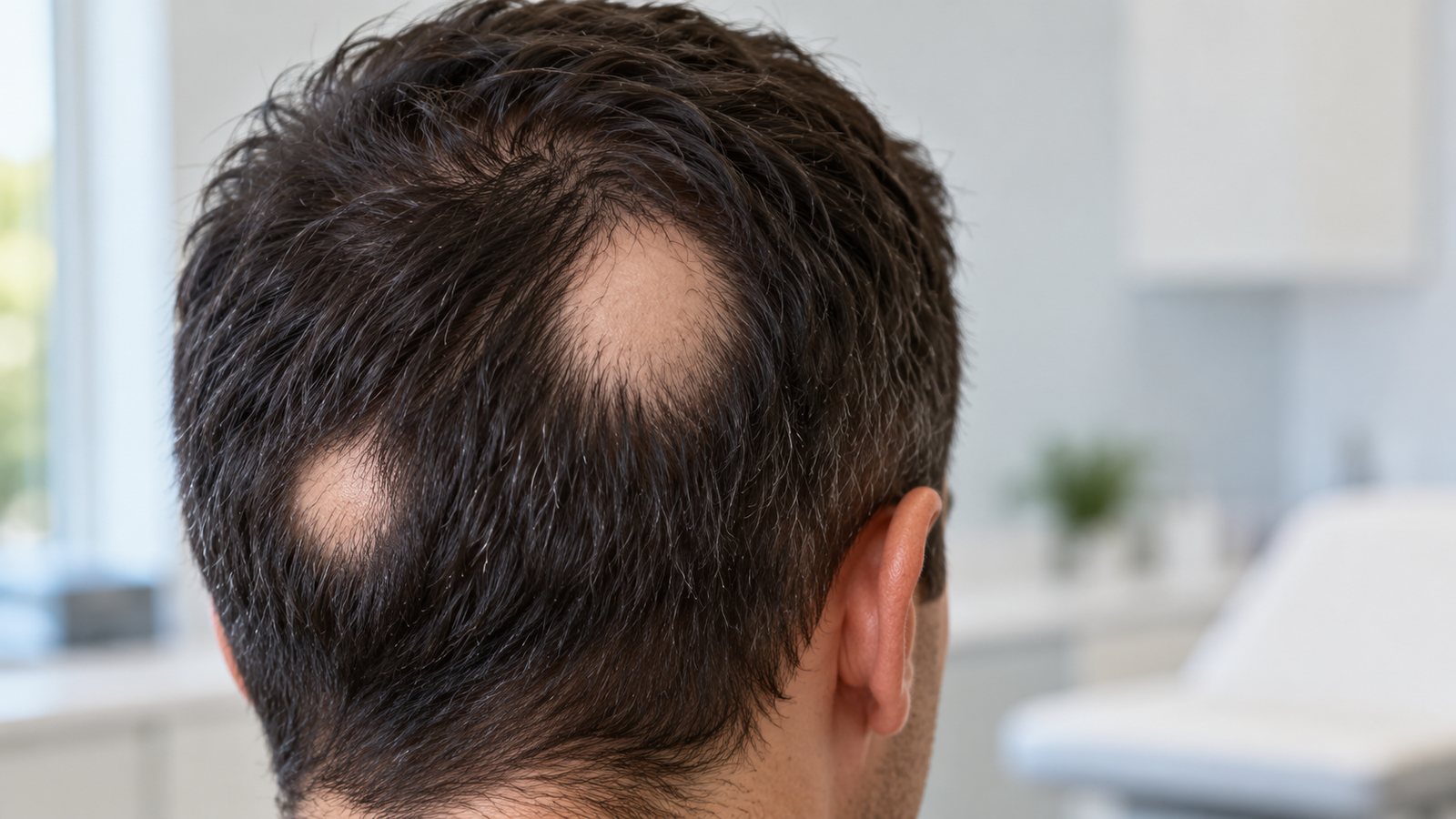
Who should skip: ISHRS says that, as with almost all non-surgical hair treatments, the best candidates have recent thinning rather than complete baldness. AHLA finds no evidence that PRP creates new follicles, so a patch that has been bald for years is a poor match. If that’s you, ask about a hair transplant, which Dermatology Center of the East Bay says can redistribute hair for a fuller look, though it can be costly.
Judge a PRP Provider on Experience and Method, Not Price
ISHRS advises against choosing the cheapest office or the most expensive one, and suggests checking experience and reputation first. Price tells you little when the product itself isn’t standard. Take these questions to any consultation:
- How do you prepare your PRP? Ask for the method in writing, since no standard exists.
- What is my full schedule? Starting sessions, gaps between them, when results are judged and how often repeats follow.
- How many PRP hair sessions has the injector performed? That is the experience ISHRS asks you to weigh.
- How will you measure my result? A baseline photo or hair count gives you something to compare against later.
- What are your before-and-after rules? Set them beside the Chevy Chase rules above.
Put the clinic’s schedule next to the three in the table. If a plan falls far outside them, ask why.
Next step: See how PRP compares with other options on the hair loss treatments compared page.
FAQ: Can PRP Injections Help With Hair Loss?
Can PRP injections help with hair loss? It may, but no source here promises a result. AHLA says trials suggest properly prepared PRP can raise hair density in some patients, but it finds no evidence of new follicles. Chevy Chase says results vary from patient to patient.
Is PRP made the same way at every clinic? No. ISHRS and AHLA both say there is no standard preparation, so ask each clinic how it makes its PRP.
When should I see a dermatologist? Before you book PRP, and whenever your hair loss changes in a way you can’t explain. ISHRS says the best candidates have recent thinning rather than complete baldness. A dermatologist can tell you which group you fit before you pay.
This article summarizes clinic pages and published reviews for general information. It is not medical advice and does not promise any result.
Sources
- https://dermcentereastbay.com/services/prp-for-hair-loss/
- https://forefrontdermatology.com/services/platelet-rich-plasma-prp-injections-for-hair-loss-treatment/
- https://www.americanhairloss.org/hair-loss-treatment/regenerative-medicine/prp-platelet-rich-plasma/
- https://www.chevychasedermatologycenter.com/new-prp-for-hair-restoration
- https://ishrs.org/patients/treatments-for-hair-loss/medications/platelet-rich-plasma/