Thinning Hair: Is Ketoconazole Your Best Shampoo for Alopecia?
Patchy spots: NAAF suggests a gentle sulfate-free wash. Thinning: the 12-month ketoconazole-plus-finasteride trial, and when to see a dermatologist.
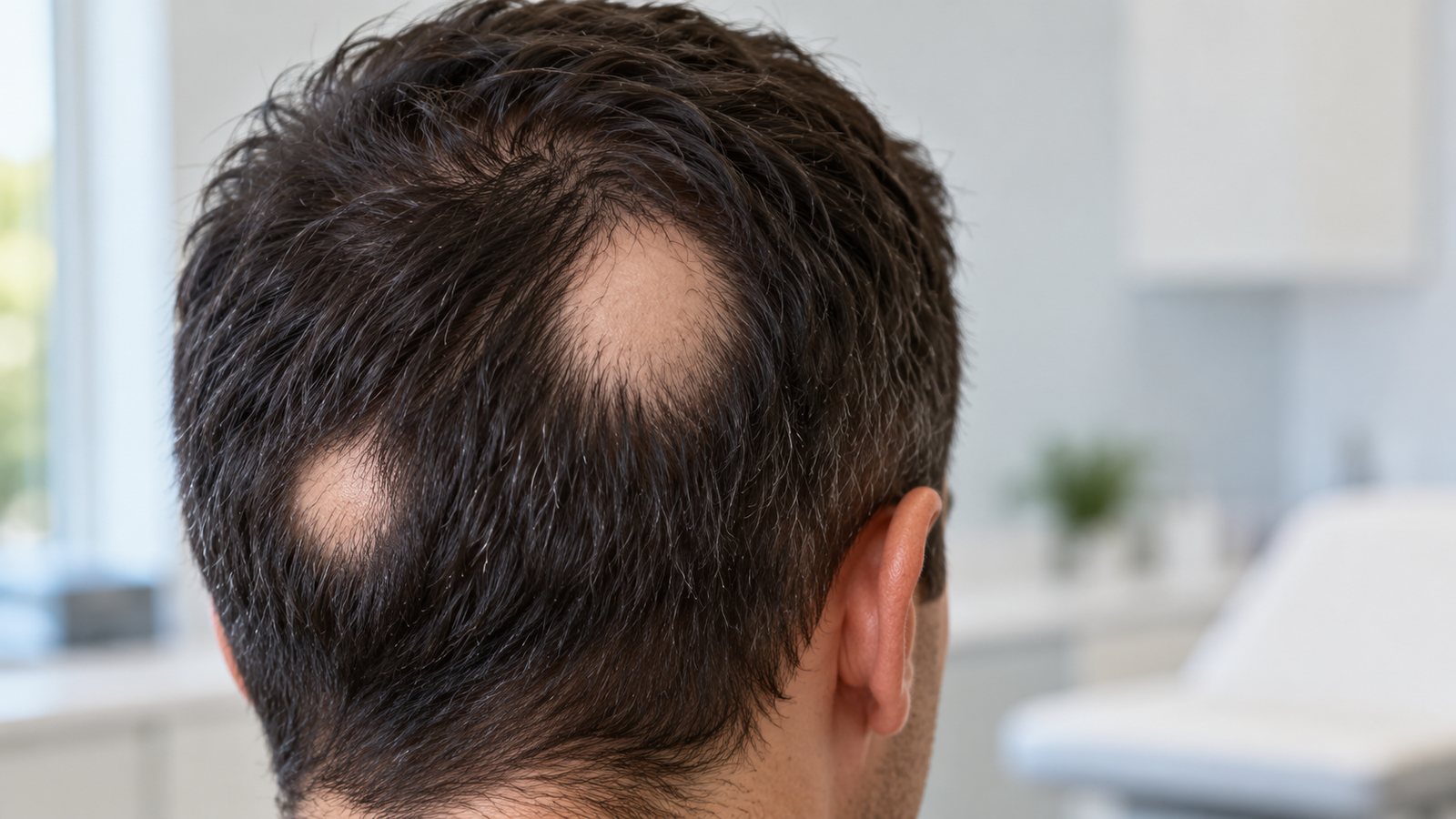
The one trial these sources summarize ran for 12 months with 100 men, and its 2% ketoconazole group also took a daily finasteride pill. That backs ketoconazole as an add-on, not as a shampoo on its own. Alopecia areata, the immune condition behind patchy hair loss, is a different case. For it, the National Alopecia Areata Foundation (NAAF) suggests a gentle, sulfate-free cleanser a few times a week. So the best shampoo for alopecia depends on which kind you have.
Why There Is No Single Best Shampoo for Alopecia: The Cause Decides
GoodRx says the right shampoo depends on the cause of your hair loss, for example male-pattern loss versus a scalp condition. Here, “best” as of October 2026 means the shampoo type a named public source points to for one cause.
Verdict: For alopecia areata, use a gentle, sulfate-free shampoo for scalp comfort. For male-pattern hair loss, count 2% ketoconazole shampoo as an add-on to medicine, never as a plan on its own.
The flaw, and its fix: In the trial behind ketoconazole, the shampoo group also took finasteride, so this trial did not test the shampoo alone. Count it as add-on evidence, because the trial cannot show what ketoconazole does by itself.
Strengths: The gentle-wash advice comes from a patient foundation’s own scalp-care guide. In a randomized 12-month trial, finasteride plus ketoconazole shared first place on improvement scores. Cleveland Clinic and GoodRx both point to ketoconazole for thinning hair, but Cleveland Clinic says no shampoo addresses the cause, and ketoconazole may not prevent hair loss.
Who should skip shampoo shopping: If no one has checked the cause of your hair loss, book a dermatologist workup first. The signs are listed at the end of this page.
Alopecia Areata: Sulfate-Free Washing Is for Comfort, Not Regrowth
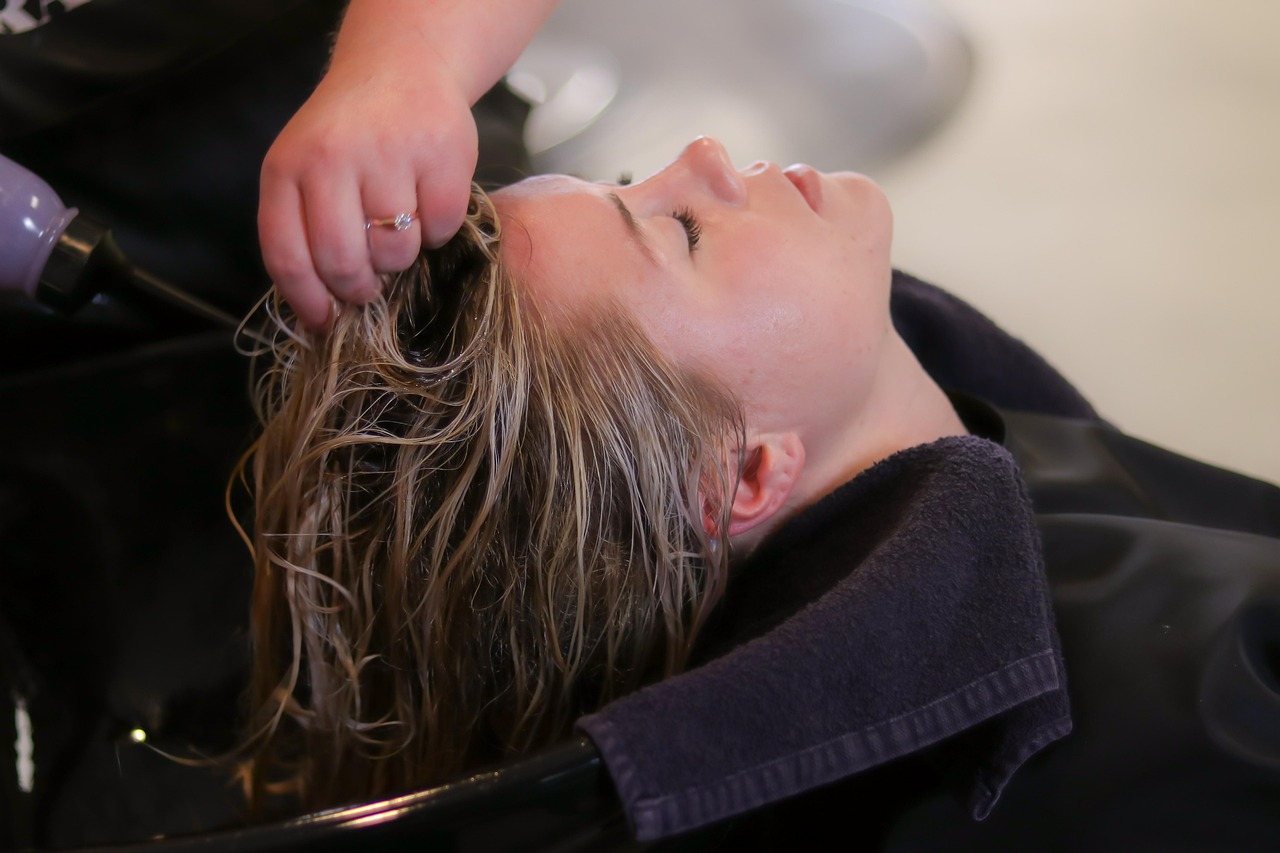
NAAF’s advice is to wash the scalp a few times a week with a gentle, sulfate-free cleanser, use lukewarm water and skip harsh scrubbing. Sulfates are the strong foaming cleaners in many shampoos.
NAAF adds that many people with alopecia areata find baby shampoo works well. For an itchy scalp, it notes that medicated dandruff shampoos may reduce itching.
Scalp care does not change the course of alopecia areata, NAAF says. Its purpose is comfort and protecting the skin.
MDhair adds medicine and supplements to the routine. Its article by dermatologist Yoram Harth, MD, says dermatologists recommend a daily routine for alopecia areata that combines minoxidil or a plant-based scalp solution, an active shampoo and oral supplements. Minoxidil is a hair-loss drug used on the scalp. Keep the seller in mind: MDhair sells the plant-based scalp serum it recommends.
Pattern Hair Loss: The 2002 Trial Tested 2% Ketoconazole Only Alongside Finasteride
Perfect Hair Health summarizes a trial by Khandpur et al. in the Journal of Dermatology (2002). It followed 100 men with androgenetic alopecia, the medical name for pattern hair loss, for 12 months. It was randomized, so men were put into groups by chance. It was also open-label, so everyone knew what they were using.
One group took 1 mg a day of finasteride, a prescription pill for male-pattern loss. The same group washed with 2% ketoconazole shampoo. Ketoconazole is an ingredient in some anti-dandruff shampoos, per Cleveland Clinic.
According to the same summary, the finasteride-plus-minoxidil and finasteride-plus-ketoconazole groups led the trial on improvement scores. The summary reports a ranking, not the size of the gain. Perfect Hair Health also has a stake here: its list includes a paid partner’s ketoconazole shampoo, Ulo.
What the trial cannot show:
- What the shampoo does alone, because its group also took finasteride.
- Whether the scores hold up when no one knows which product is in use.
- Anything about women, since all 100 participants were men.
Cleveland Clinic and GoodRx also name ketoconazole for thinning hair. Cleveland Clinic suggests a moisturizing shampoo with ketoconazole, though it notes ketoconazole may not prevent hair loss. GoodRx says some evidence suggests ketoconazole may help hair thickness in male-pattern loss. GoodRx also says many medicated shampoos need 3 to 5 minutes on the scalp before rinsing, so check the label.
If finasteride is part of your plan, see Finasteride 1 mg: 3–12 Months to Judge, Any Gains Lost If You Stop.
Washing Your Hair While Using Minoxidil or Steroid Medicines Calls for a pH-Balanced Shampoo
Debra Jaliman, MD, a dermatologist quoted by HealthCentral, says gentle cleansing matters even more if you use prescription scalp medicines, corticosteroids or topical minoxidil. Corticosteroids are steroid medicines that calm inflammation. She recommends a gentle, pH-balanced shampoo.
pH measures how acidic or alkaline something is. “pH-balanced” means the maker has adjusted the formula’s acidity with skin and scalp in mind, which does not have to mean neutral. The quote does not cover finasteride, which you swallow rather than put on the scalp.
If you use minoxidil foam, see also Foam Minoxidil Before Bed.
Reading Alopecia Shampoo Listings: Six Label Checks Before You Buy
- “For alopecia” with no type named. GoodRx says the cause decides the shampoo, so a label that skips the cause skips the main question.
- “Sulfate-free.” This matches NAAF’s comfort advice for alopecia areata. It is not an ingredient for pattern loss.
- “Ketoconazole 2%.” This is the strength the 2002 trial used. A different or missing strength is not what that trial tested.
- “pH-balanced.” This fits HealthCentral’s advice for scalps on medicine. It describes the formula’s acidity, not any effect on growth.
- Shampoo, serum and supplement bundles. These echo the MDhair routine. Price each piece on its own, and remember who wrote the routine.
- Parabens and heavy fragrance. Jaliman tells HealthCentral that people with hair loss should avoid shampoos with sulfates, parabens or heavy fragrance, which can dry and irritate the scalp.
Each Source Points to a Different Shampoo Because Each Covers a Different Cause
Find your situation in the first column, then go to that row’s source rather than trusting one ranked list.
| Your situation | What to look for, per the source | What shampoo will not do, or the limit | Source |
|---|---|---|---|
| Alopecia areata | Gentle, sulfate-free cleanser; baby shampoo works for many | Does not change the course of alopecia areata | NAAF |
| Alopecia areata, daily routine | An active shampoo, with minoxidil or a plant-based solution and oral supplements | Shampoo is one of three parts; MDhair sells the serum it names | MDhair |
| Male-pattern hair loss | 2% ketoconazole shampoo, used with a finasteride pill | This trial did not test it alone; summary gives a ranking, not a size | Perfect Hair Health |
| Male-pattern hair loss | Ketoconazole; many medicated shampoos need 3 to 5 minutes on the scalp (check the label) | “Some evidence” only; the pick depends on the cause | GoodRx |
| Thinning with no checked cause | See a provider first; ketoconazole in a moisturizing shampoo | No shampoo addresses the cause; ketoconazole may not prevent hair loss | Cleveland Clinic |
| On scalp medicines, steroids or topical minoxidil | Gentle, pH-balanced shampoo | Not stated in the quote | HealthCentral |
Next step: If minoxidil is on your list, check what it costs over time in Before You Buy Topical Minoxidil: Ask How Long You’ll Keep Paying.
FAQ: Sulfate-Free Advice Is Written for Alopecia Areata
Will a gentle shampoo change the course of alopecia areata? No. NAAF says scalp care is about comfort and protecting the skin, not changing the course of the condition.
Can I use a gentle shampoo and a ketoconazole shampoo in the same week? None of the sources here tests that pairing. Ask a dermatologist who knows your cause and your medicines.
What should I bring to a dermatologist visit? Bring the labels of the shampoos and scalp products you use, a list of your medicines, and when you first noticed the change.
Signs It Is Time to See a Dermatologist Instead of Switching Shampoo
Melissa Piliang, MD, a dermatologist quoted by Cleveland Clinic, warns that waiting for a new shampoo to work will only delay care, and advises getting a workup from a provider. A workup is an exam, sometimes with tests, to find the cause.
She says losing 100 to 200 hairs a day is normal; if you lose more, call your healthcare provider first. She lists these signs of significant hair loss:
- Hair is everywhere: on your clothes, the floor or in the vacuum brush.
- Your hairline is receding.
- Your part is widening.
- Your ponytail looks and feels smaller.
This article summarizes public health sources and published studies. It is not medical advice and promises no result.
Sources
- https://perfecthairhealth.com/best-shampoos-for-hair-loss/
- https://www.naaf.org/confidence-guide/scalp-care-and-camouflage-techniques/
- https://www.healthcentral.com/condition/alopecia/best-shampoos-for-alopecia
- https://www.goodrx.com/conditions/hair-loss/best-shampoo-for-hair-loss-men
- https://health.clevelandclinic.org/shampoo-for-hair-loss
- https://www.mdhair.co/article/alopecia-areata-best-treatments