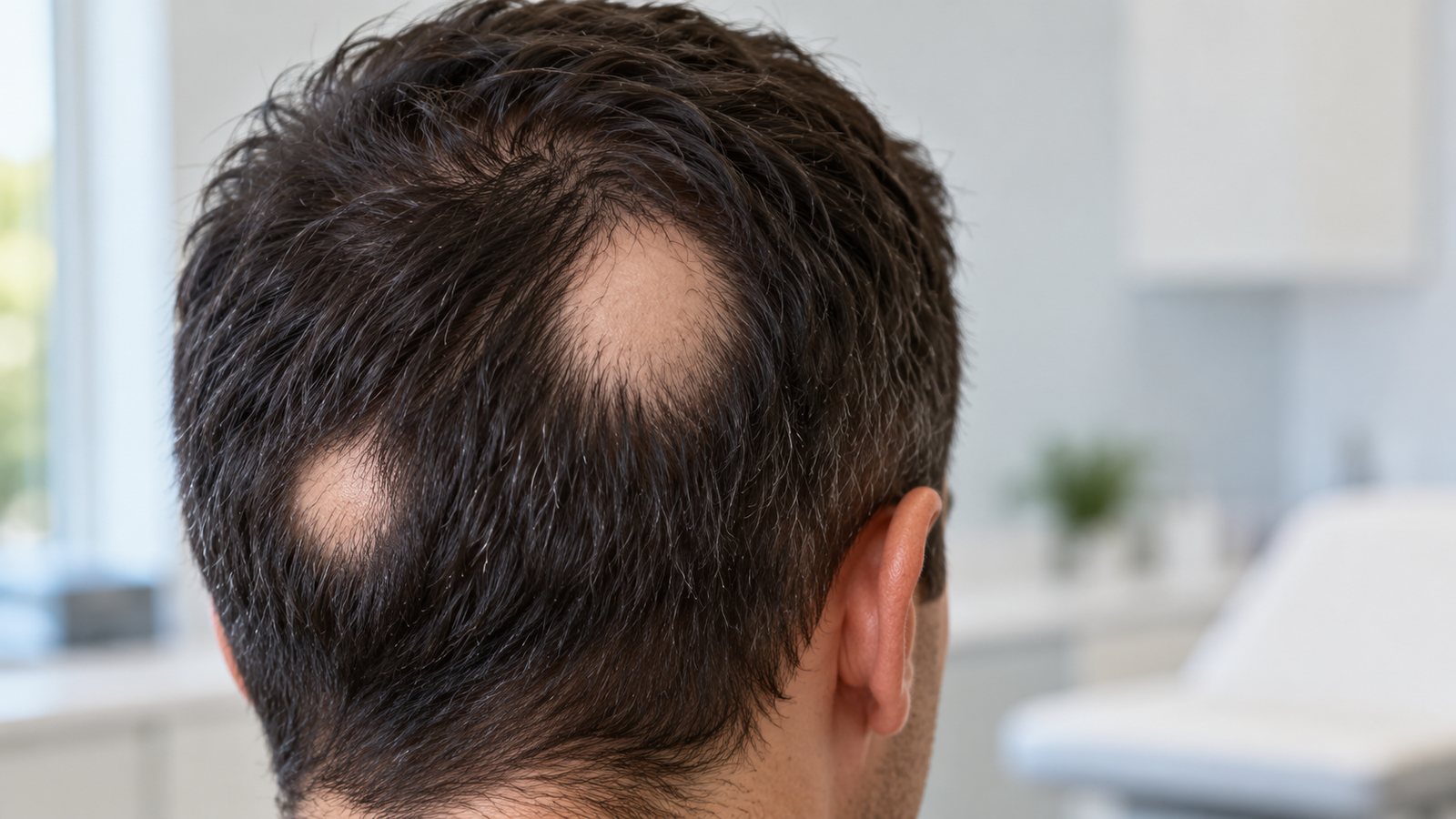
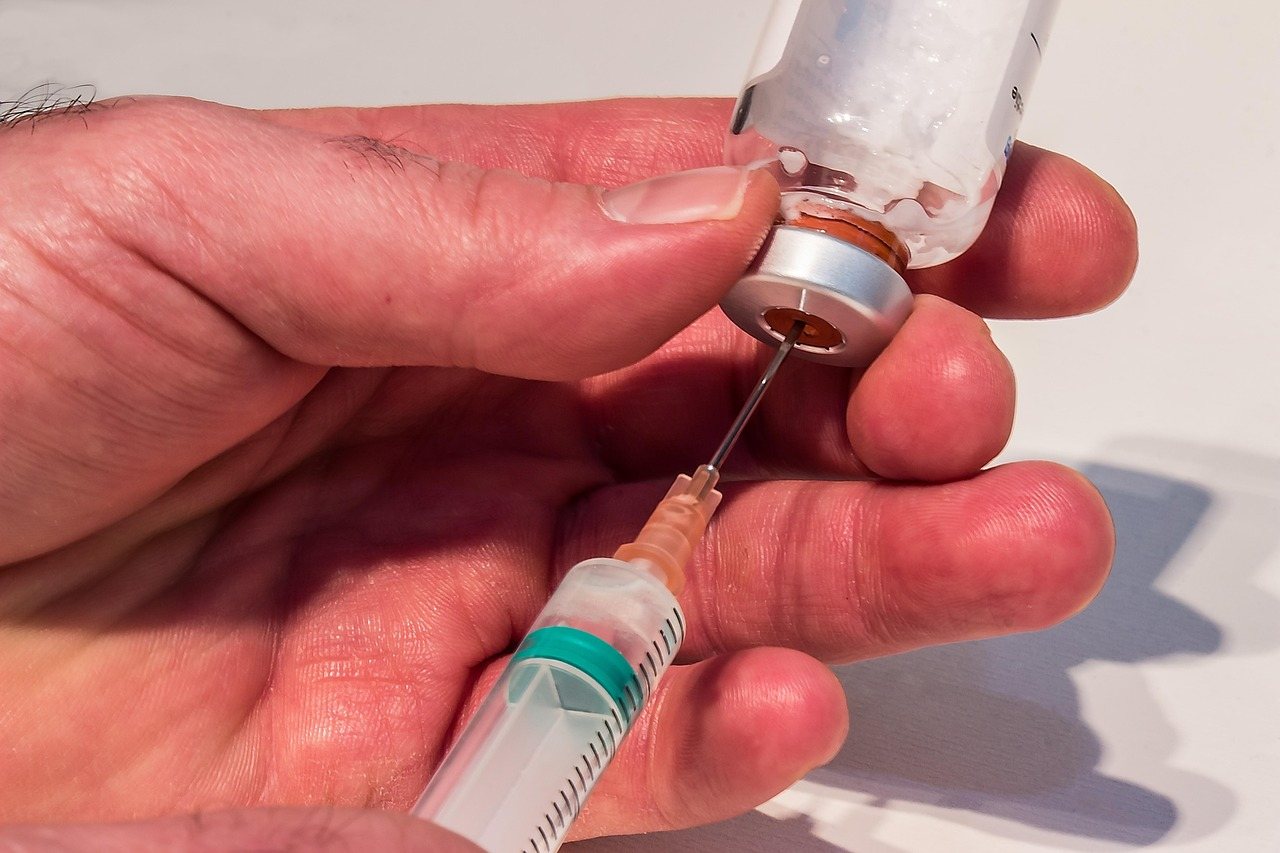
New Minoxidil Users: Is Your Hair Fall the Normal Early Shed?
Often, yes: the early shed usually starts with the first doses, and Haber Dermatology says it slows after about six to eight weeks for most people. Hair fall that began before minoxidil, or comes out in patches, is worth raising with a dermatologist.
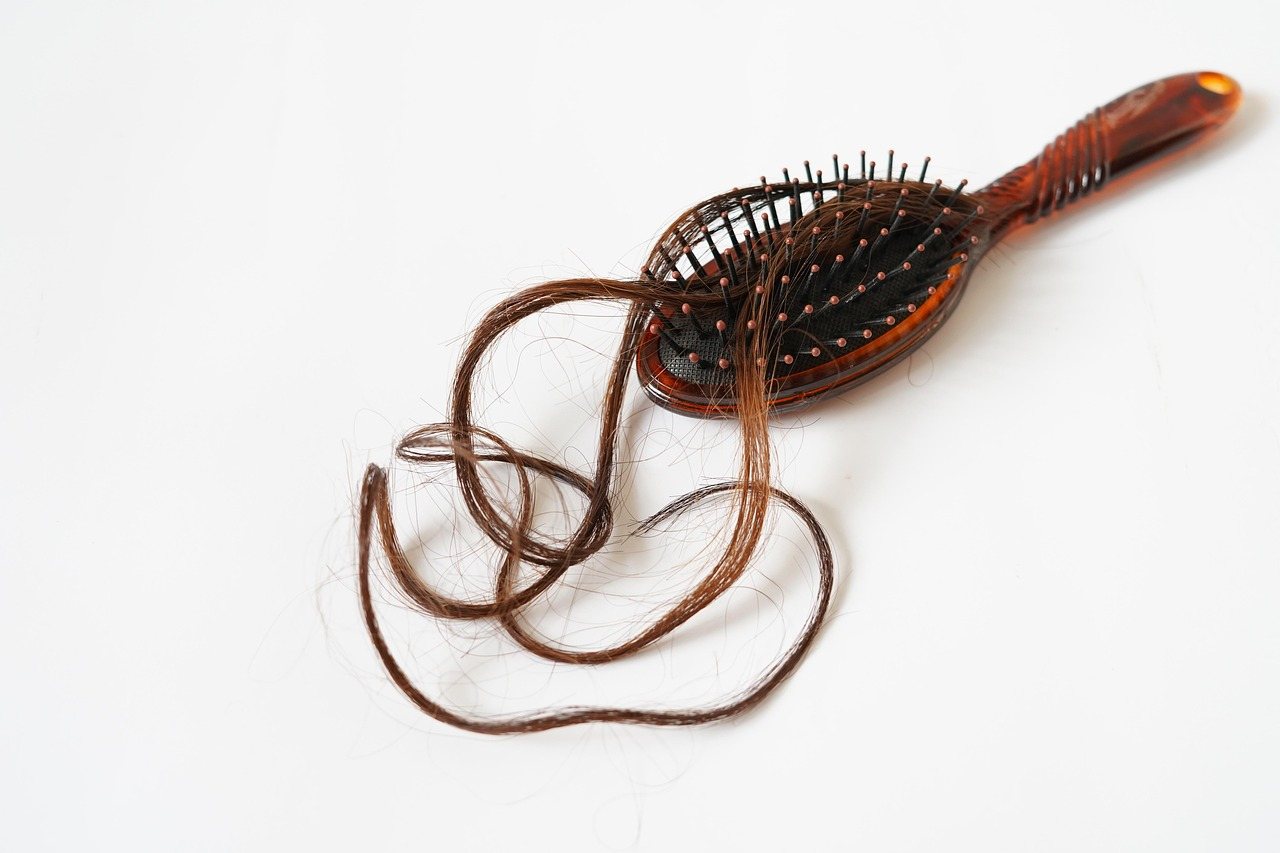
Minoxidil shedding usually starts early, and it is usually temporary.
Hims describes it as a temporary increase in hair fall that begins when you first start the medication. Perfect Hair Health calls the same thing the “dread shed”: a short-lived spike in hair loss at the start. For most people, Haber Dermatology says, shedding slows after about six to eight weeks.
What minoxidil shedding is and why it happens: resting hairs leave early
Each hair grows for a while (anagen), then rests (telogen), then falls out. According to ISHRS, minoxidil works on the growth phase, making it longer. ISHRS also notes that your body has to convert the drug into minoxidil sulfate before it works.
Hims calls the early shed “follicular flushing.” Follicles in the resting phase drop their old hairs sooner than they otherwise would, so a new growth phase can start. Many follicles do this in the same few weeks. That is why more hair shows up in your brush at once.
How common is it? Perfect Hair Health reports that 32% of 435 patients on low-dose oral minoxidil said their shedding increased. That 32% counts oral users who shed more. It is a different number from the 32% topical regrowth figure below.
Timeline: from the first shed to visible density, shedding slows by weeks 6-8 and density may show around month 6
Every step comes from a named source. The clock starts on your first dose. Oral and topical figures are marked where the source says which form it means.
- Start (first doses). Hair fall goes up as resting hairs are released (Hims; Perfect Hair Health).
- Weeks 2-4 (oral); weeks 2-12 (topical 5%). The American Academy of Family Physicians (AAFP) says shedding on oral minoxidil happens in weeks 2-4 and clears up around week 6. Separately, Hims cites a randomized trial of 5% minoxidil, a topical strength per ISHRS, where shedding rose for a while in the first 2-12 weeks.
- Weeks 6-8. Most people wait about six to eight weeks before shedding slows, per Haber Dermatology.
- Around month 6. A visible gain in density typically takes about six months to show, per Haber. AAFP puts the peak effect at about one year, so month 6 is a halfway check, not the final read.
- About one year (topical). A PMC-published paper says only about one-third of patients (32%) see a positive cosmetic effect and terminal hair regrowth after one year. 100% − 32% = 68%, so about two in three people in that figure did not get that result. AAFP gives a second figure: a 14% to 18% increase in scalp hair is the expected outcome at one year in women.
- A separate clock: telogen effluvium. This is a different kind of shedding. AAFP says it typically improves in 6 to 9 months once its underlying causes are dealt with. That clock starts when the cause is dealt with, not on your first minoxidil dose, so the two windows can’t be lined up neatly. If your hair looks better around month 6, the timeline alone can’t tell you which one was behind it.
What the studies say about results after one year: about 1 in 3 see regrowth, and women can expect 14-18% more scalp hair
Both one-year figures in step 5 come with a caveat. The 32% is second-hand. The PMC paper is a study of how well patients with androgenetic alopecia (pattern hair loss) stick with topical minoxidil and why they quit, and it cites other studies for that number (“Studies suggest…”). The AAFP figure covers women only.
Some sources read the shed itself as good news. Hims quotes Dr. Kopelman calling it “a sign that it’s working.” Perfect Hair Health says shedding “may predict better results.” Judge those readings by the one-year figures in step 5, not by how the shed looks.
Stopping is common, and it is linked to side effects and short use. In the PMC paper’s own data, 345 of 400 patients (86.3%) had stopped topical minoxidil. Of those who had a side effect, 93.6% stopped, against 75.8% of those who had none. People who had used it for more than a year were less likely to have stopped (odds ratio 0.22, meaning their odds of stopping were under a quarter of those for shorter users).
Hims quotes Dr. Kopelman on why a warning matters: “When people aren’t warned, they often quit too early.”
There are two drawbacks. First, the PMC figure is a minority result: most people in it did not see that result at one year. Second, any gain lasts only as long as you keep using the drug (see “If you stop” below). On the other side, Hims and Perfect Hair Health both call the early shed temporary, and AAFP puts the peak effect at about a year.
So if your shedding began with your first doses and a clinician has confirmed pattern hair loss, the sources point to judging minoxidil at the one-year mark, not in the middle of the shed.
When hair fall may be something else: other causes can look the same
The AAD (American Academy of Dermatology) warns that other causes of hair loss can look like female pattern hair loss and should be ruled out. A separate source names a common one. AAFP lists telogen effluvium among the most common causes of diffuse, nonscarring hair loss (thinning spread across the scalp, with no scarring). It follows its own 6-to-9-month recovery window, covered in step 6.
Who should not wait out a shed: AAFP says minoxidil is not typically effective for alopecia areata (hair loss that often shows up as patches) or for traction alopecia (loss from hairstyles that pull on the hair). If either sounds like you, see a dermatologist rather than waiting six to eight weeks for shedding to slow.
Side effects and what happens if you stop: new hairs fall out, with no added penalty
Topical minoxidil
- Scalp itching and more dandruff, per the PMC paper.
- Irritation, redness and dryness. ISHRS links these to propylene glycol, an ingredient in the liquid, and notes that the foam version leaves it out.
- Contact dermatitis, an itchy rash where the product touches skin, per AAFP.
Oral minoxidil (AAFP)
- Low blood pressure (hypotension)
- Fast heart rate (tachycardia)
- Headache
- Trouble sleeping (insomnia)
- Excess facial hair growth in women
AAFP also estimates that only 1% of patients stop treatment because of adverse effects.
Unwanted hair growth beyond the scalp can happen with minoxidil. Haber Dermatology calls it uncommon in clinical experience and says some practitioners see it more often with topical minoxidil than with low-dose oral.
If you stop. The PMC paper says that “months after stopping minoxidil, all the newly grown hairs will fall out.” That loss has a limit. AAFP says hair goes back to the level you would have had without the drug, and Haber says “there’s no penalty for stopping.” In other words, stopping takes back what minoxidil added.
Per these sources, it does not push you below where you were heading anyway.
For more on this topic, see the Treatments compared guides.
Related reading: Minoxidil hairgrow; Before You Buy Pumpkin Seed Oil for Hair.
Questions to raise with a dermatologist: bring your start date
Write down the date of your first dose and when the shedding began. Then ask:
- My hair fall started before I began minoxidil. Could it be telogen effluvium or another cause?
- Is my loss patchy, or along a hairline I wear pulled tight? Could it be alopecia areata or traction alopecia?
- Topical or oral: which fits me, and if oral, how will we watch for low blood pressure and a fast heart rate?
- If the liquid irritates my scalp, is the foam an option?
- What would count as progress for me at month 6, and what at one year?
Book a dermatologist visit if your shedding doesn’t fit the timeline above, if your hair falls out in patches, or if you notice any side effect on the lists above.
This page sums up public health sources and published studies. It is not medical advice, and it does not promise any result.
Sources
- https://www.hims.com/blog/minoxidil-shedding
- https://perfecthairhealth.com/minoxidil-shedding-what-to-expect-when-it-stops/
- https://haberderm.com/minoxidil-myths-what-to-expect/
- https://pmc.ncbi.nlm.nih.gov/articles/PMC10149432/
- https://ishrs.org/patients/treatments-for-hair-loss/medications/minoxidil/
- https://www.aafp.org/afp/afp-community-blog/treatment-of-hair-loss-with-minoxidil
- https://www.aad.org/public/diseases/hair-loss/types/female-pattern